Living with daily pain makes even simple tasks harder. The right products can help you stay comfortable, move more freely, and keep your independence at home. This guide walks you through the most useful pain management products, how to choose them, and how to use them safely.
What Are Pain Management Products?
Pain management products are tools, devices, and topical treatments you use at home to reduce pain and discomfort. They don’t cure conditions, but they help you manage symptoms and stay active.
Common categories include:
- Thermal therapy products such as heating pads and hot/cold packs
- Compression and support products such as knee braces, back supports, and wrist wraps
- Topical treatments such as pain relief creams, gels, and patches
- Assistive devices such as ergonomic cushions and body supports
Most of these are available over the counter, meaning you don’t need a prescription. They range from simple cold packs to electric heating pads for back pain. Many people use a combination of products depending on the type and location of their pain.
Who Can Benefit from These Products?
Pain management products are especially helpful for people who deal with ongoing physical discomfort at home.
Older adults living with chronic joint pain, arthritis, or back problems often find the most benefit. Conditions like osteoarthritis cause stiffness and aching that flares up during everyday activities. Joint pain relief products and arthritis pain relief products can reduce that daily friction.
Seniors recovering from surgery or injury also benefit. After a knee replacement or a fall, pain relief products for home use help during the healing process when full medical care isn’t available around the clock.
Caregivers play a big role too. If you’re helping an older family member manage mobility or a chronic condition, knowing which pain relief devices work best for elderly users can make your job easier and improve their quality of life. Pain management aids for seniors are designed to be simple and safe, even when the user has limited dexterity or strength.
You don’t need to have a serious diagnosis to benefit. Many people use these products for general muscle soreness, stiffness from inactivity, or discomfort from long periods of sitting or standing.
Types of Pain Management Products for Home Use
Thermal Therapy Products
Heating pads for pain relief are one of the most widely used options. Heat increases blood flow to sore muscles and loosens stiff joints. Electric heating pads for back pain are especially popular because they offer consistent, adjustable warmth.
Cold packs for joint pain work the opposite way. They reduce inflammation and numb sharp pain, making them useful right after an injury or flare-up. Hot and cold therapy for pain is often used in rotation, switching between heat and cold to manage symptoms.
Compression and Support Products
Knee braces for arthritis pain help stabilize the joint and reduce the load on cartilage. Back support belts for pain are designed to hold the lower back in a better position during movement. Wrist braces for pain relief support tendons during repetitive tasks. Shoulder supports help limit painful movement after strain or surgery. Compression sleeves for joint pain and pain relief wraps for knees and ankles can also improve circulation and reduce swelling.
For foot discomfort, foot care products that include insoles and supports can reduce pressure on the heel and arch, which often connects to ankle and knee pain.
Topical Pain Relief Products
Topical pain relief cream works by delivering active ingredients directly through the skin to the area of pain. Pain relief gel for joints is lighter and absorbs quickly. Pain relief patches for back and joints provide longer-lasting relief without needing to reapply cream throughout the day.
Pain relief creams for seniors are often formulated to be gentle on sensitive skin. Natural pain relief creams using ingredients like arnica or menthol are popular for people who prefer non-medicated pain relief products.
Assistive Devices That Reduce Strain
Specialized cushions and pillows reduce pressure on the tailbone, hips, and lower back, particularly for people who sit for long periods. Exploring cushions and pillows designed for therapeutic use can make a real difference in daily comfort.
Benefits of Using Pain Management Products
The most direct benefit is less pain during everyday activities like walking, bending, cooking, or sleeping.
Beyond pain itself, these products improve mobility. A properly fitted knee brace or back support lets you move with more confidence. That improved movement supports independence, which matters deeply to most older adults.
Using pain relief products for chronic pain consistently can also reduce the need to ask others for help with basic tasks. That sense of control over your own body and routine has a real effect on mood and motivation. Pain relief products for mobility issues help people stay active longer, which has long-term benefits for joint health, circulation, and mental wellbeing.
How to Choose the Right Pain Management Product
Start with the specific area causing pain. Back pain relief products differ from knee pain relief products, both in design and how they’re applied. A wrist brace won’t help a sore shoulder, and a back support belt won’t relieve foot pain.
Consider ease of use. Over the counter pain relief products designed for older adults should be easy to put on and take off without help. Look for adjustable straps, clear sizing guides, and simple instructions.
Comfort and skin compatibility matter too. If you have sensitive skin, check whether a topical product is hypoallergenic. If you have poor circulation, be cautious with tight compression products.
When you’re unsure, talk to your doctor or pharmacist before starting something new, especially if you’re managing a serious condition like diabetes, heart disease, or a recent surgery. A healthcare provider can confirm which types of products are safe for your specific situation.
How to Use Pain Management Products Safely at Home
Always read the instructions before using any product. This applies to heat therapy, compression aids, and topical treatments.
With heating pads, never fall asleep while one is still on. Use a timer if needed, and place a thin cloth between the pad and your skin to avoid burns. Most guidelines recommend 15 to 20 minutes at a time. The same applies to cold packs. Never apply ice directly to bare skin, and keep sessions short to prevent tissue damage.
With topical creams and gels, wash your hands after applying and avoid contact with eyes or open wounds. Some products interact with medications absorbed through the skin.
If a brace or support causes tingling, numbness, or increased pain, remove it immediately. These are signs it may be too tight or the wrong fit. Stop using any product that causes a skin reaction, and contact a healthcare provider if symptoms don’t improve.
Combining Pain Management Products with Other Strategies
Products work best as part of a broader approach to managing pain.
Gentle movement helps. Stretching, short walks, and range-of-motion exercises support the joints and muscles that your braces and supports are protecting. These don’t need to be intense. Even five to ten minutes of movement each day can reduce stiffness.
Posture adjustments at home also reduce pain. Sitting in a well-supported chair, using a cushion at your lower back, or elevating your legs while resting can all reduce strain.
If you’re using pain management products alongside prescribed medications or therapies, follow your healthcare provider’s guidance. Products like shoulder supports work well as a complement to physiotherapy, not as a replacement. Understanding the mind-body connection is also worth exploring. Rest, emotional wellbeing, and physical recovery are closely linked, and pain management works better when you account for all of them.
Shopping for Pain Management Products Online in Canada
Buying pain relief products online in Canada is convenient, but it’s worth being careful about where you shop.
Look for retailers with clear product descriptions, Canadian shipping, and secure checkout. A trustworthy site will list materials, dimensions, and care instructions for every product.
Read return policies before buying, especially for braces and supports that need to fit well. Some retailers offer size guides or customer service chat to help you choose.
If you’re a caregiver buying on behalf of a senior, take measurements carefully and check whether the product is designed for that age group. Pain management aids for seniors are often built with wider openings, softer materials, and simpler closures. Buying from a retailer that specializes in home medical supplies increases the chance you’ll find products suited to older adults.
Signs a Different Product May Be Needed
If you’ve been using a product correctly and your pain hasn’t improved after two to four weeks, it may not be the right fit.
Watch for new symptoms: skin irritation under a brace, increased swelling, or pain that spreads to a new area. These are signs to stop using the product and speak to a professional.
Changes in your condition also call for a product review. If your mobility has declined, your diagnosis has changed, or your doctor has adjusted your treatment plan, the products you’re using should reflect that. Pain relief products for chronic pain need to match your current condition, not the one you had six months ago.
Frequently Asked Questions
What are the safest pain management products for older adults?
Products with simple designs, adjustable fits, and low risk of skin irritation are generally safest. Heating pads with automatic shut-off, pre-filled gel packs, and topical creams made for sensitive skin are good starting points. Always follow instructions and check with a pharmacist if unsure.
Can I use heat and cold packs if I have sensitive skin or diabetes?
Use caution. Diabetes can reduce skin sensitivity, making it harder to detect burns or frostbite. Use a cloth barrier, keep sessions short, and inspect your skin after each use. Ask your doctor before starting thermal therapy if you have circulatory issues.
How long should I use a heating pad or cold pack each day?
A general guideline is 15 to 20 minutes per session, with at least an hour between sessions. Using them longer doesn’t improve results and increases the risk of skin damage.
How do I know if a brace or support is the right size?
Follow the sizing chart provided with the product. Measure the specific body part as instructed, usually at the widest point. The brace should feel snug but not tight. You should be able to slide one finger underneath it.
Are topical pain creams safe to use with other medications?
Most topical creams have minimal interaction with oral medications, but some ingredients can be absorbed into the bloodstream. Tell your pharmacist about any creams you’re using, especially if you take blood thinners or have kidney problems.
Can pain management products replace pain medication?
No. They can reduce the amount of medication needed for some people, but they are not a substitute. Always follow your doctor’s advice about medication, and use products as a support tool.
What should I look for when buying pain relief products online in Canada?
Look for clear product descriptions, Canadian safety certifications where applicable, honest customer reviews, and a straightforward return policy. Avoid products that make extreme claims about curing conditions.
When should I talk to a doctor instead of relying on home products?
See a doctor if your pain is severe, sudden, or accompanied by swelling, numbness, fever, or changes in function. Home products are for managing known, stable conditions. New or worsening symptoms need medical evaluation.
Are there any products that can help with both pain and bathroom safety?
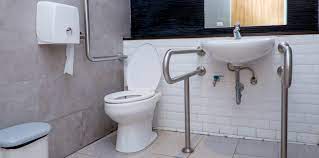
Yes. Cushioned toilet seat risers and padded grab bar covers reduce strain during transfers and add comfort. Some compression wraps also support hip and knee stability, which helps with bathroom safety.
How can caregivers help seniors choose and use pain management products safely?
Involve the senior in the decision when possible. Check for correct fit, monitor for skin reactions, and keep track of whether the product is actually helping. Review product choices whenever the senior’s health status changes.