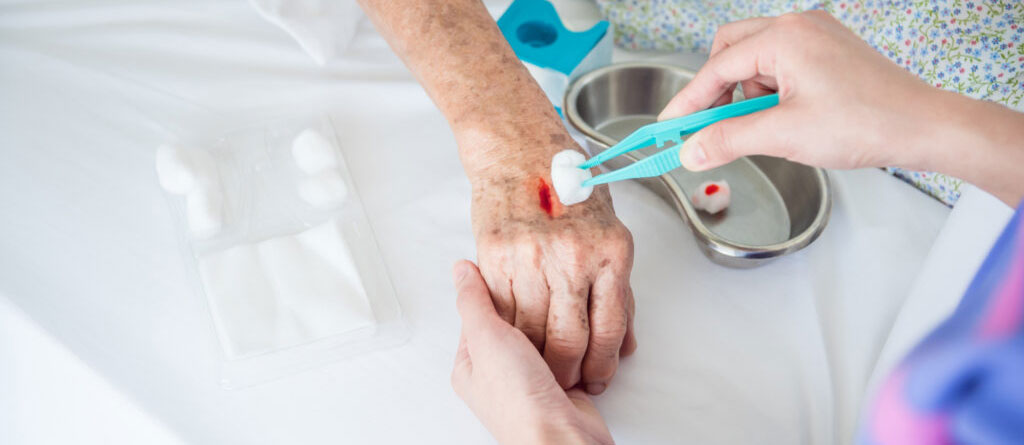
Coming home after surgery feels like a relief – until you realize you’re now responsible for keeping that incision clean and healing properly. Most surgical wounds can be managed at home with the right knowledge, the right supplies, and a bit of consistency. This guide walks you through everything you need to know.
What Is Surgical Wound Care at Home?
Surgical wound care at home means cleaning, dressing, and monitoring an incision after you’ve been discharged from hospital or a clinic. Depending on the procedure, your wound might be a small, neat cut held together with dissolvable stitches, or a longer incision secured with staples, sutures, or surgical tape strips. Some people come home with drainage tubes or specialized dressings still in place.
Post surgery wound care at home isn’t just about keeping the wound covered. It’s about creating the right environment for your body to do what it does naturally – build new tissue, close the skin, and reduce inflammation. That process takes weeks, sometimes months. How you care for the wound during that window directly affects how quickly and completely it heals. Your surgical team will give you discharge instructions, and those always take priority over general advice. Use this guide to fill in the gaps and build confidence between appointments.
Why Proper Home Wound Care Matters
Good incision care after surgery gives your body the best possible conditions for tissue repair. Keeping the wound clean removes bacteria before they can multiply. Changing dressings on schedule prevents the buildup of moisture, dead cells, and debris that would otherwise slow healing. Proper care also protects the new skin forming underneath from being disrupted.
Poor wound care, on the other hand, can stall recovery or make it significantly worse. Infection is the biggest risk – it can deepen into surrounding tissue, delay healing by weeks, and in some cases require additional surgery or hospitalization. Letting a wound dry out too much or stay too wet are both problems. Skipping dressing changes, using the wrong cleaning products, or ignoring early warning signs can all compound into serious complications. The good news is that with clear guidance, most people manage this well at home.
Types of Surgical Wounds Commonly Managed at Home
Incisions from minor outpatient surgery – things like mole removal, hernia repair, or laparoscopic procedures – are typically small and close quickly. They’re often covered with a simple adhesive dressing or surgical strips and require minimal intervention beyond keeping them clean and dry.
Larger incisions, such as those from abdominal surgery or orthopedic procedures like hip or knee replacement, need more attention. These wounds are longer, placed under more mechanical stress as you move, and take more time to close fully. Dressings may need to be changed daily or every other day, and you’ll want to watch for any separation along the wound edges.
Some patients go home with surgical drains – small tubes that allow fluid to exit the wound site. These require their own cleaning routine and output tracking. Specialized dressings like foam or alginate dressings may be used for wounds with higher drainage. Your surgeon or home care nurse will show you how to handle these before discharge.
How to Prepare Your Home for Wound Care
Before you arrive home from the hospital, set up a dedicated spot for wound care – a clean bathroom counter or kitchen table works well. The surface should be easy to wipe down. Good lighting matters more than most people expect; you need to actually see what you’re working with.
Stock that area with everything you’ll need ahead of time. You don’t want to be rummaging through cupboards with one sterile glove on. Essential supplies typically include sterile gauze pads, medical-grade adhesive tape, saline solution or mild soap, clean scissors, disposable gloves, and a small sealed bin for used dressings. A good resource for building out your kit is wound care supplies – you’ll find dressings, bandages, and other essentials in one place.
If mobility is a concern, set everything at a comfortable height so you’re not straining or bending awkwardly. It also helps to review home safety tips ahead of your return home, particularly if you’re recovering from lower body surgery and navigating bathrooms or stairs.
Step-by-Step: How to Clean a Surgical Wound
Start by washing your hands thoroughly with soap and water for at least 20 seconds. Dry them with a clean towel, then put on a pair of disposable gloves. Remove the old dressing slowly and carefully – if it’s sticking, dampen it slightly with saline to loosen it before pulling.
Look at the wound before touching it. Note the color of the tissue, whether there’s any discharge, and how the edges look. This quick visual check helps you catch changes early. Then, using a gauze pad moistened with saline solution or clean water, gently wipe along the wound from one end to the other in a single stroke. Don’t scrub, and don’t go back over the same area with the same pad – use a fresh one for each pass. Mild soap is appropriate for surrounding skin but avoid getting soap directly into the incision unless your surgeon has specified otherwise.
Pat the wound and surrounding area dry with a clean gauze pad. Don’t rub. Once everything is dry, apply the new dressing as directed. Label it with the date and time if you’re tracking changes. Dispose of all used materials in a sealed bag, then wash your hands again even after removing the gloves.
How to Change a Surgical Dressing Safely
A dressing needs to be changed when it becomes wet, visibly soiled, or starts to loosen at the edges – or at the interval your surgeon specified, whichever comes first. Leaving a saturated or dirty dressing in place creates exactly the warm, moist, contaminated environment that bacteria thrive in.
When handling gauze and bandages, keep the sterile side – the part that contacts the wound – facing down and avoid touching it with your fingers. Adhesive dressings should be removed by peeling back slowly at a low angle, parallel to the skin rather than lifting straight up. That reduces skin irritation and minimizes pain. If your surgeon prescribed a specific type of dressing, stick with it. Different wound types need different materials; substituting a non-breathable household bandage for a medical-grade foam dressing can cause problems.
If the wound is in a hard-to-reach location, the drainage is heavy or unusual, or you’re not confident about what you’re seeing, loop in a professional. A home care nurse or clinic visit is far better than guessing. Changing a surgical dressing at home is manageable for most wounds – but knowing when to ask for help is part of doing it right.
Pain Management and Comfort After Surgery
Most people experience some pain and discomfort in the days following surgery, and that’s expected. Over-the-counter options like acetaminophen or ibuprofen are often sufficient for mild to moderate pain. If your surgeon prescribed pain medication, take it as directed, especially in the first few days when inflammation peaks. Don’t wait until the pain is severe before taking it – staying ahead of it is easier than catching up.
Positioning can make a big difference. Elevating the affected area reduces swelling and takes pressure off the wound. Pillows are your friends. Avoid lying directly on the incision, and move slowly and deliberately when getting up or down. Gentle movement – short walks around the house – supports circulation and reduces the risk of blood clots without straining the wound.
Contact your doctor if your pain is getting worse after the first few days rather than better, if it’s not responding to medication, or if it’s paired with other concerning symptoms like fever or swelling. Pain that escalates is a signal worth acting on.
Spotting Infection: When to Seek Help
Knowing the signs of wound infection after surgery could save you from a serious complication. Some redness and warmth directly around an incision in the first day or two is normal – that’s inflammation, which is part of healing. Infection looks different: redness that’s spreading outward from the wound, increasing swelling, pus or cloudy discharge, a wound that smells bad, or skin that feels hot to the touch.
Fever above 38°C (100.4°F) is another red flag, especially if it develops a few days after surgery when inflammation should be settling. Increased pain rather than decreasing pain is also worth noting.
Go to emergency or call your surgeon immediately if you notice red streaks extending from the wound, if the incision is opening up, or if you develop a high fever with chills. These are signs that an infection may be spreading and needs urgent treatment. When in doubt, don’t wait – call your surgical team and describe what you’re seeing.
Lifestyle Habits That Support Surgical Wound Healing
What you eat after surgery genuinely affects how fast your body repairs itself. Protein is essential for building new tissue, so include good sources like eggs, fish, legumes, chicken, and Greek yogurt in your daily meals. Vitamin C supports collagen production – citrus fruits, bell peppers, and strawberries are easy additions. Zinc, found in pumpkin seeds, red meat, and lentils, plays a role in immune function and tissue repair. These are all foods that help wounds heal faster without any supplements needed.
Staying hydrated keeps your blood flowing well, which is how oxygen and nutrients actually reach the wound. Aim for water as your primary drink. Light activity – even just walking a bit more each day – improves circulation without putting strain on your incision.
Smoking significantly impairs wound healing by reducing blood flow and oxygen delivery to tissue. If there’s any time to pause or quit, recovery is it. Alcohol interferes with immune function and can interact with medications. Both are worth cutting out for at least the initial healing period, ideally longer.
Natural and Holistic Supports Around Wound Healing
Some evidence-informed supplements may support the body’s healing process when used alongside conventional care. Vitamin C, zinc, and vitamin A are the most studied for tissue repair and immune support. Omega-3 fatty acids, found in fish oil, may help moderate inflammation. Before starting any supplement during recovery, check with your doctor – some can affect clotting or interact with medications.
On the topical side, certain plant-based options have a track record of use in wound care. Aloe vera gel has soothing properties and may help with surface skin comfort around a healing scar. Some practitioners recommend calendula-based creams for their skin-calming effects. Diluted tea tree oil has antimicrobial properties, though it should never be applied directly inside an open wound. Natural remedies on surgical wounds require caution – and timing matters. Nothing goes on an open incision without your surgeon’s sign-off.
Natural and holistic wound healing after surgery works best as a complement, not a replacement. Once the wound has fully closed and your surgeon gives you the go-ahead, you have more flexibility to explore scar care options.
Caring for Caregivers: Emotional and Practical Support at Home
If you’re supporting someone through their recovery, the workload can build up fast. Wound care tasks, medication schedules, transportation to appointments, and household management don’t disappear just because someone is healing. Be clear about what tasks you can take on and which ones need to be shared or delegated. Asking for specific help from friends or family – rather than “let me know if you need anything” – tends to result in actual assistance.
Managing your own stress and fatigue is part of giving good care. Exhausted caregivers make mistakes. Take breaks when you can, sleep when possible, and don’t treat self-care as optional. It’s practical, not selfish.
When Professional Care Is Needed vs. Home Care
Not every surgical wound is suitable for independent home management. Complex wounds, those with heavy drainage, or any wound that’s showing signs of complications needs professional eyes. If you’re unsure whether what you’re seeing is normal, that uncertainty alone is a good reason to call your surgeon or family doctor.
Some patients benefit from scheduled visits from a registered nurse at home, particularly after major surgery or when mobility makes self-care difficult. Your surgeon can arrange a referral, or you can look into professional home-care services that bring qualified support directly to you. Coordinate with your surgical team to make sure there’s a clear handoff – you should know exactly who to call for which type of concern, and when to go straight to a clinic or emergency.
Frequently Asked Questions
How often should I clean my surgical wound at home?
Most surgical wounds are cleaned once daily – typically when you change the dressing. Your surgeon’s specific instructions take priority. Over-cleaning can irritate the wound and disrupt healing just as much as under-cleaning.
When can I shower or bathe after surgery?
Showering after surgery wound care depends on the type of wound and closure method. Many surgeons allow brief showers 24–48 hours after surgery if the incision is covered with a waterproof dressing. Full submersion in baths or pools is usually off the table until the wound is fully closed – often 4–6 weeks. Always confirm with your team.
Can I use natural products or creams on my incision?
Not on an open wound without your surgeon’s approval. Once the wound has closed, gentle options like vitamin E oil, aloe vera, or scar-minimizing creams can be introduced. Natural remedies on surgical wounds need to be timed correctly.
What should normal healing look like vs. a problem?
Normal healing includes mild pink or red coloring along the edges, some swelling in the first few days, and perhaps minor clear or pale yellow fluid. A problem looks like spreading redness, warmth, pus, foul odor, fever, or a wound that’s opening rather than closing.
How long does it usually take for a surgical wound to heal?
Wound healing after surgery happens in stages. The skin surface closes in 1–3 weeks. Deeper tissue takes 6–8 weeks. Full strength in the scar tissue can take up to a year. Larger and more complex wounds take longer.
Is it normal to feel pain or itching around the wound?
Yes – itching is actually a sign that nerves are regenerating and new tissue is forming. Mild pain around the incision is expected, especially in the first week. Itching that’s severe or accompanied by a rash may indicate a reaction to adhesive or medication.
When can I return to exercise or daily activities?
Light activity like short walks can often resume within days. More demanding activity depends entirely on the type and location of surgery – abdominal surgeries typically restrict heavy lifting for 6 weeks, while minor skin procedures may allow normal activity much sooner. Follow your surgeon’s guidance on this specifically.
What should I do if my bandage gets wet or dirty?
Change it. A wet or soiled dressing should be replaced as soon as possible, regardless of when the last scheduled change was. Leaving it in place creates infection risk.
How can I reduce scarring after surgery?
Scar care after surgery starts once the wound is fully closed. Silicone gel sheets or silicone-based creams are among the most evidence-backed options for flattening and fading scars. Sun protection over the scar is important for the first year, since UV exposure can permanently darken healing tissue. Gentle massage once healed can also improve texture over time.
Should I call a doctor for slight redness or swelling? A small amount of redness and swelling directly at the incision line is normal in the first few days. If the redness is spreading, increasing after day three, or paired with warmth, discharge, or fever, call your surgical team. When to call the doctor after surgery is a judgment call – but when in doubt, call. That’s what they’re there for.