Medical Supplies ODSP: Comprehensive Guide for Recipients
If you or a loved one receives support through the Ontario Disability Support Program (ODSP), understanding how to access medical supplies can make day‑to‑day life safer, healthier, and more affordable. This comprehensive guide from NuLife Health explains eligibility, the ODSP Mandatory Special Necessities benefit, and how to secure ODSP medical supplies such as diabetic supplies, incontinence products, surgical dressings, wound care essentials, ostomy, catheter, and CPAP supplies, plus options for ODSP medical transportation and in‑home delivery.
- ODSP Health Supports Overview
- What Is the Mandatory Special Necessities (MSN) Benefit?
- Medical Supplies Covered by ODSP
- How to Get Medical Supplies Through ODSP
- In‑Home Delivery & Direct Billing
- ODSP Medical Transportation Reimbursement
- Vision Care Benefits Under ODSP
- Documentation & Ordering Checklist
- FAQs
ODSP Health Supports Overview
The Ontario Disability Support Program provides income support and a suite of ODSP medical benefits that reduce out‑of‑pocket health costs for eligible recipients. For many families, these supports are the bridge between medical necessity and financial feasibility. Within ODSP, the most frequently used pathway for essential items is the Mandatory Special Necessities stream, which can authorize specific ODSP supplies your clinician prescribes as medically necessary.
What Is the Mandatory Special Necessities (MSN) Benefit?
The ODSP Mandatory Special Necessities (MSN) benefit helps fund essential medical supplies and related needs. While eligibility and approvals are individualized, the MSN framework is designed to ensure that required items—particularly those used daily—are accessible and affordable.
Who Can Apply?
Individuals approved for ODSP income support may pursue coverage for ODSP medical supplies through MSN. Your ODSP caseworker can advise on forms and timelines, while your prescriber clarifies the clinical need.
What Does MSN Commonly Support?
- Diabetic supplies under ODSP (meters, lancets, strips, pen needles, syringes, pump consumables).
- Incontinence supplies (briefs, pads, underpads, wipes) — i.e., incontinence products covered by ODSP.
- Surgical dressings and supplies from ODSP (gauze, tape, bandages, barrier films).
- ODSP wound care supplies (cleansers, dressings, adhesives).
- ODSP coverage for ostomy, catheter, and CPAP supplies where medically indicated.
Medical Supplies Covered by ODSP
Below is a practical, patient‑friendly rundown of common categories of ODSP supplies. Always align your requests with your clinician’s assessment; approvals depend on medical necessity, frequency of use, and program policy.
1) Diabetic Supplies Under ODSP Mandatory Special Necessities
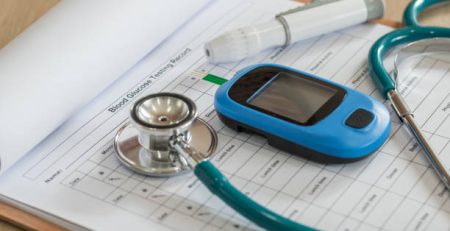
For people living with diabetes, day‑to‑day monitoring and insulin administration require consistent access to the right tools. Under MSN, diabetic supplies under ODSP Mandatory Special Necessities may include blood glucose meters, control solutions, lancets, test strips, insulin pen needles, syringes, and insulin pump tubing or reservoirs when clinically justified. Maintaining accurate readings and safe dosing can dramatically improve outcomes and reduce hospital visits.
2) Incontinence Products Covered by ODSP
Incontinence can affect dignity, mobility, and skin integrity. ODSP often supports incontinence supplies such as briefs, absorbent underwear, booster pads, underpads, and skin‑friendly wipes. Selecting the correct absorbency and fit reduces leakage, protects skin, and lowers total cost of care. If you are unsure which option suits you best, NuLife Health can help size and sample discreetly.
3) Surgical Dressings and Supplies from ODSP
From minor injuries to complex postoperative needs, many clients rely on surgical supplies to heal safely at home. Through MSN, typical items include gauze pads, conforming bandages, adhesive tapes, non‑adherent dressings, hydrocolloids, barrier creams, skin preps, and fixation products. Pairing the right dressing with the wound type supports moist wound healing and helps prevent complications.
4) ODSP Wound Care Supplies
Chronic wounds demand consistent protocols. ODSP wound care supplies can encompass saline or wound cleansers, protective creams, foam or alginate dressings, and retention bandages. When your clinician specifies frequency (e.g., daily or every other day changes) and duration, it becomes much easier to secure a reliable monthly quantity through ODSP.
5) ODSP Coverage for Ostomy, Catheter, and CPAP Supplies
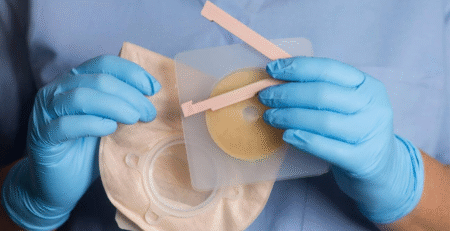
Specialized categories—ostomy supplies (pouches, wafers, barrier rings, deodorants), catheter supplies (intermittent catheters, drainage bags, connectors), and select CPAP supplies (tubing, filters, masks)—may be supported where medically necessary. Consistency here is crucial: fresh, well‑fitted interfaces and sterile components reduce infections, leaks, and skin complications.
6) Vision Care Supplies Under ODSP
While vision exams and eyewear have their own streams, some clients refer broadly to ODSP vision care supplies. Speak with your caseworker about current policy and any required documentation from your optometrist or ophthalmologist to confirm eligibility.
How to Get Medical Supplies Through ODSP
Securing coverage is a team effort among you, your prescriber, your ODSP caseworker, and your supplier. The steps below summarize how to get medical supplies through ODSP smoothly:
- Discuss need with your clinician. Obtain a diagnosis, specify product types, quantities, and frequency of use.
- Connect with your caseworker. Ask about the Mandatory Special Necessities application and timelines.
- Complete the forms. Your healthcare professional documents medical necessity; include product descriptions and monthly quantities.
- Submit for approval. Keep copies. Track dates. Respond promptly if asked for clarification.
- Choose a supplier. Once approved, select a vendor—NuLife Health can coordinate ordering and restocking.
- Set up refills. For recurring items (e.g., test strips or briefs), arrange scheduled deliveries to avoid lapses.
Tip: When applying for ODSP medical supplies benefit, ask your prescriber to note any skin sensitivities, leakage history, or infection risk—details help align the right product and justify quantities.
In‑Home Delivery of Medical Supplies via ODSP
Convenience matters—especially for individuals with mobility or transportation challenges. Many clients prefer in‑home delivery of medical supplies via ODSP once coverage is active. With scheduled shipments and discreet packaging, you’ll always have the correct items on hand. NuLife Health offers reminders and refill coordination so you can focus on wellness instead of logistics.
Direct Billing & Cost Management
Where possible, suppliers arrange direct billing so you are not paying up front for approved quantities. This streamlines budgeting and ensures continuity. If a change in condition alters your needs (for example, moving from pads to briefs), we’ll work with your clinician to update authorizations.
ODSP Medical Transportation Reimbursement
Frequent medical appointments can add up. ODSP medical transportation reimbursement may be available when approved trips to clinics, laboratories, or therapy exceed the threshold for support. Save transit receipts, mileage logs, and appointment confirmations. Ask your caseworker about monthly submission timelines and acceptable modes (public transit, mileage, or accessible transport providers).
Vision Care Benefits Under ODSP
Vision care benefits under ODSP are helpful for clients who need periodic eye exams and corrective eyewear. Although these benefits are separate from the MSN stream, many families discuss them alongside ODSP health supports for medical supplies. If vision changes affect your ability to manage diabetes devices or wound care, inform your clinician so your care plan reflects the whole picture.
Documentation & Ordering Checklist
Clinical Documentation
- Diagnosis and relevant history.
- Product categories (e.g., diabetic supplies, incontinence supplies).
- Monthly quantity and frequency (e.g., 4 boxes of test strips, 90 briefs).
- Skin sensitivities or infection risk.
- Rationale for product selection (fit, absorbency, wound stage).
Program Steps
- Confirm ODSP eligibility.
- Request Mandatory Special Necessities forms.
- Have prescriber complete and sign forms.
- Submit and track approval status.
- Select NuLife Health as your supplier and set delivery.
Monthly Management
- Monitor usage; report changes to clinician.
- Schedule refills to prevent gaps.
- Store dressings and devices per instructions.
- Update quantities if your condition evolves.
Frequently Asked Questions
What are ODSP medical supplies?
ODSP medical supplies are medically necessary items—such as diabetic supplies, incontinence products, surgical dressings, wound care materials, and ostomy, catheter, or CPAP supplies—authorized through the ODSP Mandatory Special Necessities program. They help you manage chronic conditions and recovery at home.
How do I apply for ODSP medical supplies benefit?
Start by speaking with your caseworker and clinician. Your provider completes the forms documenting medical necessity and specific quantities. Submit the package for approval; once authorized, NuLife Health can supply items and coordinate refills.
Does ODSP cover incontinence products?
Yes—incontinence products covered by ODSP often include briefs, protective underwear, pads, and underpads. The exact items and quantities depend on clinical need and approval.
Can I get direct delivery to my home?
Yes. In‑home delivery of medical supplies via ODSP is common after approvals are set. We schedule shipments so you never run short.
Are there limits on quantities?
Quantities are guided by the clinical note and policy standards (e.g., number of dressings per week). If your condition changes, your clinician can update the documentation to reflect new needs.
What about ostomy, catheter, and CPAP items?
ODSP coverage for ostomy, catheter, and CPAP supplies may be available when medically necessary. Provide specific product names and replacement schedules to streamline approvals.
Does ODSP help with getting to appointments?
Yes. Ask about ODSP medical transportation reimbursement if you have recurring appointments and your monthly travel costs exceed the program threshold.
Where does vision care fit in?
Vision care benefits under ODSP are administered through health benefits streams that complement supply coverage. If vision changes impact your device use, let your care team know.
What if I’m new to ODSP—where do I begin?
Contact your local ODSP office to confirm eligibility. Once approved, talk to your clinician and caseworker about ODSP health supports for medical supplies using the MSN pathway. NuLife Health can then help source products and set up delivery.
Why Choose NuLife Health
NuLife Health is dedicated to making healthcare at home simple. Our team understands ODSP processes and works with your clinicians to match the right product to your needs. From diabetic supplies under ODSP to surgical dressings and supplies from ODSP, we focus on fit, comfort, and reliability—so you can live more fully, every day.
Ready to proceed? We can guide you through applying for ODSP medical supplies benefit, set up direct billing, arrange in‑home delivery, and coordinate refills—so essential items arrive when you need them.