
Mental Health and Physical Recovery: The Mind-Body Connection
Physical recovery involves more than healing tissues and regaining strength. Your mental state directly influences how quickly and completely you recover from injury, surgery, or illness. Understanding this connection helps you use the right tools and strategies to support both mental wellness and physical healing during your recovery journey.
How Mental Health Impacts Physical Healing
Stress and anxiety trigger cortisol release, which slows wound healing and weakens your immune response. Depression often reduces motivation to complete physical therapy exercises or maintain proper nutrition. Poor sleep, commonly linked to mental health challenges, prevents your body from completing essential repair processes that happen during rest.
Pain perception intensifies when you’re anxious or depressed. The same physical sensation feels worse when your mental health suffers. This creates a challenging cycle where pain affects mood, and mood worsens pain. Breaking this cycle requires addressing both aspects simultaneously.
Social isolation during recovery periods affects healing rates. Patients with strong support networks typically recover faster than those facing recovery alone. Connection and engagement provide emotional stability that translates into measurable physical benefits.
Creating a Recovery Environment That Supports Both
Your home environment significantly impacts mental wellness during recovery. Adequate lighting helps regulate mood and sleep patterns. Adjustable bed tables and overbed lights allow you to read, work on hobbies, or video chat with loved ones comfortably from bed. These simple additions prevent the helplessness that often accompanies extended bed rest.
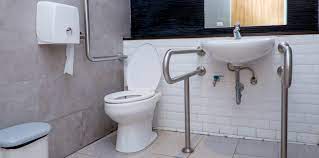
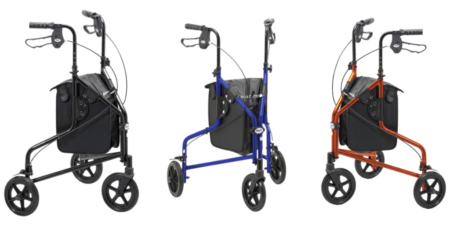
Mobility aids do more than prevent falls. They restore independence and confidence. Using a quality walker or rollator means you can move safely around your home, maintaining some normal activities. This autonomy protects mental health while your body heals. Transfer boards and grab bars provide security that reduces anxiety about daily tasks.
Comfort directly affects mood during recovery. Pressure relief cushions and specialized mattress toppers prevent pain that disrupts sleep. Properly positioning of pillows reduces strain and helps you rest better. When you’re physically comfortable, maintaining positive mental health becomes easier.
Practical Tools for Daily Mental Wellness
Organization reduces stress during recovery. Pill organizers ensure you never miss medications that support both physical and mental health. Having everything within reach using bedside organizers prevents frustration from constantly asking for help.
Maintaining personal hygiene boosts self-esteem during recovery. Long-handled sponges, sock aids, and dressing sticks allow you to maintain independence with daily care routines. Shower chairs and bath benches make bathing safe and stress-free.
Exercise releases endorphins that improve mood naturally. Resistance bands and pedal exercisers enable gentle movement even with limited mobility. These tools help you stay active within your current capabilities, supporting both mental and physical progress.
Technology That Connects and Monitors
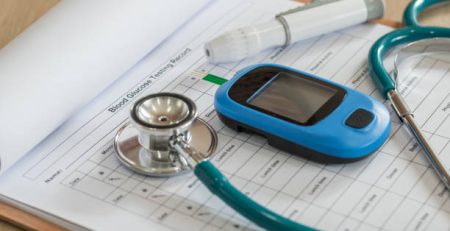
Blood pressure monitors that track stress levels help you understand the physical impact of mental states. Pulse oximeters provide reassurance about your oxygen levels, reducing anxiety about breathing issues. Having objective data calms worries and helps you recognize improvement.
Tablets and smartphones keep you connected with support networks. Video calls reduce isolation. Online support groups connect you with others facing similar challenges.
Building Your Complete Recovery Setup
NU Life Home Healthcare delivers the supplies you need for comprehensive recovery across Canada. From mobility aids to comfort products, we stock equipment that supports both physical healing and mental wellness. Browse our online catalog or contact us for personalized recommendations that address your complete recovery needs.