Getting around safely matters at every stage of life. If you or someone you love needs extra support while walking, renting a walker in Ontario is a practical, low-commitment way to get moving again without a big upfront cost.
What Is a Walker?
A walker is a mobility device that gives you support and balance while you walk. It’s a simple frame, usually made from lightweight aluminum, with four legs and hand grips on each side.
Walkers are commonly used by people recovering from surgery, managing chronic conditions like arthritis or Parkinson’s disease, or dealing with general balance problems that come with aging. They’re not just for hospitals. Many people use them at home, in stores, and outdoors every day.
Most walkers fold flat for easy storage and transport. You can adjust the height to fit your frame, which makes them comfortable to use for extended periods. Some come with wheels on the front legs, and others include a built-in seat so you can rest whenever you need to.
If you haven’t used a walker before, renting one first is a smart move. It lets you get familiar with the equipment before deciding whether to buy.
Benefits of Renting Walkers
Short-term support needs
Not everyone needs a walker permanently. If you’re recovering from a hip replacement, knee surgery, or a fall, you might only need support for a few weeks or months. Renting matches your actual need. You get the equipment when you need it and return it when you’re done.
Cost savings over buying
A new walker can cost anywhere from $80 to $300 or more, depending on the model. Monthly walker rental Toronto rates typically start around $25 to $45, which is much easier on a fixed income. You don’t pay for equipment you’ll stop using, and there’s no storage problem once you’re done.
Easy testing for fit
Every person has different height, weight, and balance needs. Renting gives you a chance to try a specific model before committing to a purchase. If the walker isn’t right for you, you can switch to a different type without losing money. This is especially useful for people who aren’t sure whether they need a standard walker, a wheeled model, or a rollator.

Types of Walkers Available
Standard folding walkers
Standard walkers have four legs with no wheels. They offer the most stability because all four legs stay on the ground. To move forward, you lift the walker, place it ahead of you, and step into it. This makes them ideal for people who need maximum support, especially right after surgery or a fracture.
These walkers fold flat for easy storage and transport, and they’re commonly used post-surgery or post-fracture. Most are lightweight aluminum and adjust to different heights.
Wheeled walkers
Two-wheeled walkers have wheels on the front two legs, with rubber tips on the back legs for grip. You don’t have to lift the walker completely, which is easier on your arms. These work well for people who can bear some weight on their legs but need help maintaining balance.
Wheel Walkers, a Toronto GTA provider, supplies two-wheeled aluminum walkers and a combination of walker and transport chairs for rent.
Rollators with seats
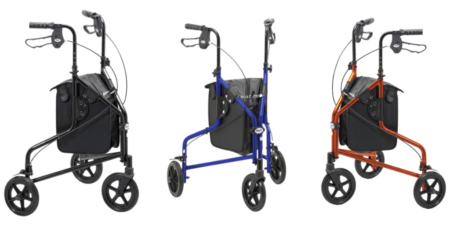
Rollators are four-wheeled walkers with hand brakes and a built-in seat. They’re popular with seniors who want to move more freely but need a place to sit and rest along the way. You can browse a detailed breakdown of rollators to compare models before renting. Rollators come with four casters, a seat, and brakes, and are available for both short-term and long-term rental.
Why Rent in Ontario?
Ontario has one of the most accessible home health care markets in Canada. A wide network of local providers makes it easy to find walkers rental Ontario options that include delivery, sanitization, and flexible rental terms.
Programs like the Assistive Devices Program (ADP) and the Ontario Disability Support Program (ODSP) can offset some costs for eligible residents. Providers like Mobility Specialties work with ADP, ODSP, WSIB, Veterans Affairs Canada, and the MS Society of Canada, among others.
Whether you’re in the city or the suburbs, you’ll find providers covering walker rental Toronto, walker rental Mississauga, rollator rental Vaughan, walker rental Brampton, and medical walker rental Markham. The geographic coverage across the GTA means you’re unlikely to be without a local option.
Top Rental Providers in Ontario
Several established companies offer walkers rental Ontario with delivery to major cities and surrounding areas.
NuLifeHealth is one of the most recognized names for walker rental Toronto. They’ve been a trusted medical equipment supplier in Toronto, offering lightweight, foldable walkers for rent across Toronto, Vaughan, Markham, Richmond Hill, Brampton, Mississauga, and the GTA. Their minimum rental term is one month, and all equipment is 100% sanitized.
Mobility Specialties offers rollator rental Toronto with flexible short and long-term options. Their minimum rental term is one week, and long-term rates are available on request. They also accept major funding programs including ADP and ODSP.
Wheel Walkers is an online-first provider covering the GTA. They specialize in knee walkers, rollator walkers, folding walkers, and wheelchair rentals, with flexible rental periods and prompt delivery.
MedNation serves Oakville and the wider GTA. They offer walking aids including walkers, rollators, crutches, and canes with flexible rental options.
In Motion Services provides short-term rollator rental Toronto options, including daily and weekly rates. They offer delivery and pickup within the GTA and carry rollators that support up to 350 lbs.
Canada Care Medical is another solid option for folding walker rental Ontario. They sanitize walkers between users and can arrange pickup when you’re finished with your rental.
If you need more than just a walker, many of these providers also offer wheelchair rentals and other home care equipment to cover a broader range of mobility needs.
How to Rent a Walker
Contact providers
Start by calling or emailing two or three local providers to check availability and current pricing. Websites often list rental terms, but stock changes. Speaking directly with a team member also gives you a chance to describe your situation so they can recommend the right type of walker.
Assess your needs
Think about where you’ll use the walker most. Indoors on smooth floors? Outdoors on uneven ground? Do you need to carry items like a water bottle or bag? Your answers will determine whether a standard walker, a wheeled model, or a rollator makes more sense. If you’re unsure, ask the provider for guidance.
Arrange delivery
Most Ontario providers deliver directly to your home. NuLifeHealth, for example, delivers to Toronto, Vaughan, Markham, Richmond Hill, Mississauga, Brampton, and Scarborough, with an additional charge for areas outside this zone. Check the provider’s delivery options in advance so you know what to expect on timing and cost.
Rental Costs and Terms
Typical pricing
Walker rental Mississauga starts from around $25 per month for standard models. In Toronto and across the GTA, monthly walker rental Toronto rates generally range from $25 to $55, depending on the walker type. In Motion Services lists rollator rates starting at $40 per day and $95 for four weeks. Rollators with seats and features tend to cost more than basic folding models.
Rental periods
Most providers offer both short-term and long-term rental options. Some, like Mobility Specialties, have a minimum rental term of one week. Others, including NuLifeHealth and Canada Care Medical, require a minimum of one month. If you only need a walker for a few days, look for providers that offer weekly or daily rates specifically.
Deposit requirements
Most providers require a refundable deposit when you rent. One London, Ontario provider lists a $250 refundable deposit for certain equipment, with delivery fees of $29.95 plus HST for smaller items like walkers. Deposits are typically returned when you bring back the walker in good condition. Always confirm the deposit amount and return conditions before signing any agreement.
How to Choose the Right Walker
Start with your height and weight. Most walkers list a maximum weight capacity, usually between 250 and 350 lbs. The hand grips should align with your wrist when you stand upright with your arms relaxed at your sides.
Next, think about your balance. If you’re recovering from surgery and still quite unsteady, a standard four-legged walker with no wheels gives you the most stability. If you can walk more confidently and just need support, a two-wheeled or four-wheeled rollator may feel more natural.
Consider where you’ll use it most. Rollators move well outdoors and on slightly uneven surfaces. Standard walkers are better for tight indoor spaces where you need precise control.
If you’re still unsure, exploring a broader range of mobility aids can help you compare options side by side and match your needs to the right equipment.
Safety Tips for Using Walkers
A walker only helps if you use it correctly. Keep these points in mind.
Always make sure the walker is fully open and locked before putting weight on it. Check that all four legs are touching the floor. Wear shoes with non-slip soles, not slippers or socks alone.
Move slowly through doorways and around furniture. Don’t reach far forward or lean past the walker frame. Keep the walker close to your body. If you feel unsteady, stop and rest before continuing.
For rollators, always engage the hand brakes before sitting on the seat. Never use a rollator as a transport chair unless it’s designed for that purpose. Ask your doctor or physiotherapist if you’re unsure whether you’re using the device correctly.
Maintenance While Renting
You’re responsible for keeping the walker clean and safe during your rental period. Wipe down hand grips and the frame regularly with a mild disinfectant. Check the rubber tips on the legs before each use to make sure they’re not worn down, since worn tips reduce traction.
Don’t store the walker in wet or damp areas. If anything breaks or loosens, contact your provider right away instead of trying to fix it yourself. For a full guide on keeping your equipment in good shape, see these maintenance tips.
When to Return or Upgrade
Return the walker as soon as you no longer need it. Holding onto equipment you don’t use wastes money and takes the item out of circulation for someone else who needs it.
If your mobility needs change, speak with your provider. You might need to switch from a standard walker to a rollator as you regain strength, or move up to a heavier-duty model if your condition changes. Most providers are happy to adjust your rental to fit your current situation.
Frequently Asked Questions
Where can I rent walkers in Toronto?
Several providers offer walker rental Toronto including NuLifeHealth, Wheel Walkers, In Motion Services, and Mobility Specialties. Most offer online booking and home delivery across the GTA.
How much does walker rental cost monthly?
Monthly walker rental Toronto rates generally range from $25 to $55. Standard folding walkers are on the lower end, while rollators with seats and brakes cost more. Always confirm current pricing directly with the provider.
Do rentals include delivery in Ontario?
Many providers offer delivery within specific zones. NuLifeHealth delivers to Toronto, Vaughan, Markham, Richmond Hill, Mississauga, Brampton, and Scarborough, with additional charges for areas outside the coverage zone. Call ahead to confirm delivery availability and fees for your address.
What types of walkers are available for rent?
You can typically rent standard folding walkers, two-wheeled walkers, and rollators with seats and brakes. Some providers also offer heavy-duty models for higher weight capacities.
Can I rent for short-term recovery?
Yes. Many providers in Ontario offer short-term rentals starting from one week. Walkers are well-suited for both chronic mobility conditions and short-term recovery from injury or surgery.
Is insurance accepted for rentals?
Some providers accept funding through ADP, ODSP, WSIB, and private insurance plans. Providers like Conval-Aid can also assist customers with funding applications, whether through government programs, insurance companies, or other sources. Check with your provider and insurer directly.
How do I clean a rented walker?
Wipe down the frame and grips with a mild disinfectant spray or wipe after use. Avoid soaking the frame or using harsh chemicals. All rented equipment should already be sanitized when you receive it.
What if the walker doesn’t fit me?
Contact your provider as soon as possible. Most can adjust the height or swap out the model. NuLifeHealth includes a peace of mind warranty, and if anything goes wrong during the rental period, their team can troubleshoot or arrange a service appointment.
Are rollators available for rent?
Yes. Rollator rental Toronto is widely available. Mobility Specialties offers rollators with four casters, a seat, and brakes for both short and long-term rental in Toronto.
How long can I rent a walker?
NuLifeHealth and similar providers offer both long and short-term rentals, giving customers flexibility based on their recovery timeline or ongoing mobility needs. There’s typically no hard cap on how long you can rent, though you’ll pay on a monthly or weekly cycle.